Dymally Institute at CSU Dominguez Hills

Mervyn M. Dymally African American Political & Economic Institute at California State University, Dominguez Hills
Carson, CA

Awards

Close
GALLERY

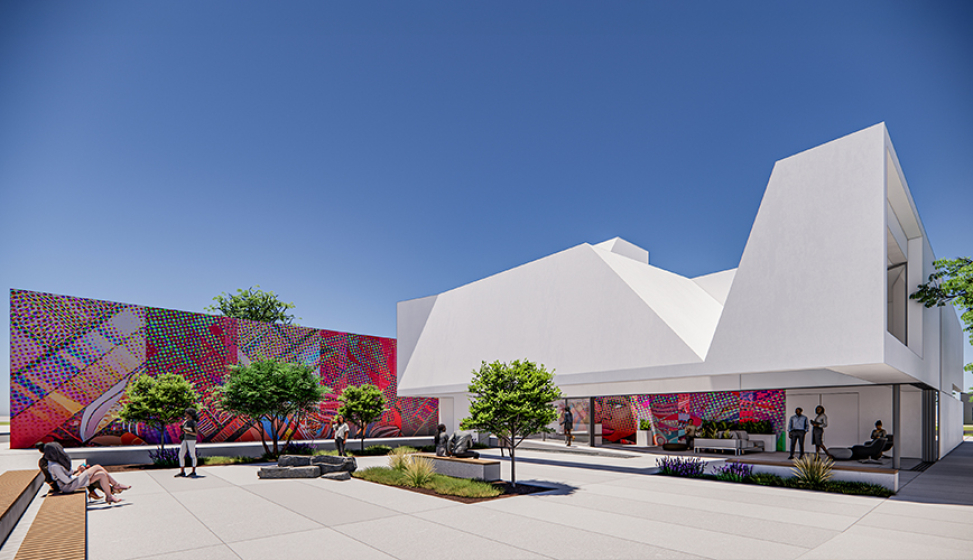
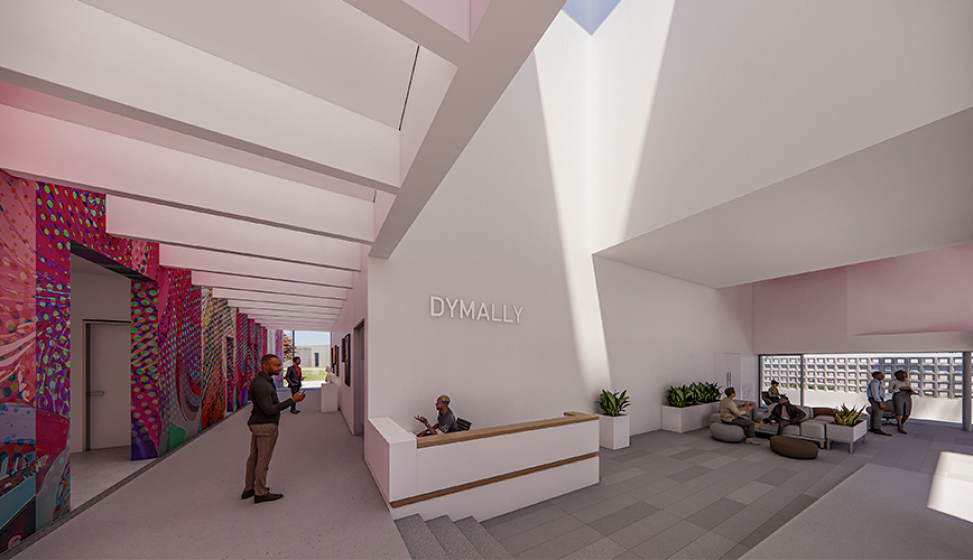
The new 8,000 SF Mervyn M. Dymally African American Political & Economic Institute (MDAAPEI) building at California State University, Dominguez Hills, will embody progress, purpose, and vision, marking the start of a new era of growth and expanding the Institute’s significance.

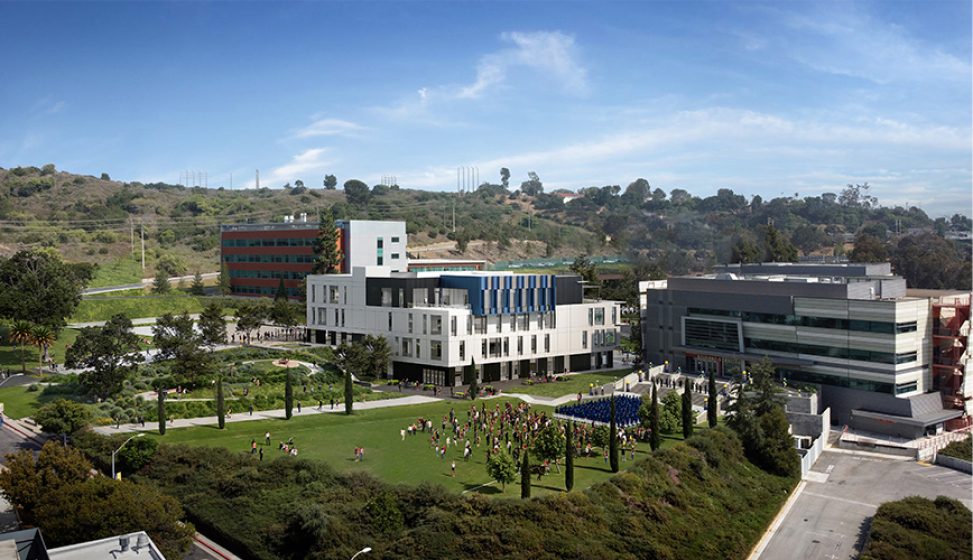
Once confined to a 450 SF space in the campus library, where the Executive Director worked from a converted janitor’s closet, the Institute has consistently documented and celebrated African American leadership in politics, business, and public policy. Despite space constraints, MDAAPEI has empowered students and the community through training, leadership programs, and cultural events that highlight the African Diaspora. The 8,000 SF AC Martin-designed facility will be built on a vacant site near the College of Continuing & Professional Education. The building will include administrative offices, a reading center for rare works, and ample space for community engagement on critical issues. The Institute will house a digital archive, oral histories, a research space, and a 2,000-volume library open to scholars statewide. Signature events, including the Aging Symposium, the Distinguished Speaker Series, and the African American Leadership Summit, will now have a dedicated home, amplifying the Institute’s impact. AC Martin was also tasked with developing a conceptual furniture plan to guide future furnishings, ensuring every detail aligns with the Institute’s goals. Thoughtfully designed interiors will honor the Institute’s mission and inspire visitors, reaffirming MDAAPEI’s commitment to empowering future generations, preserving vital histories
Student Housing Phase III, CSUN

Student Housing Phase III, California State University, Northridge

Northridge, CA

Awards

Close
GALLERY

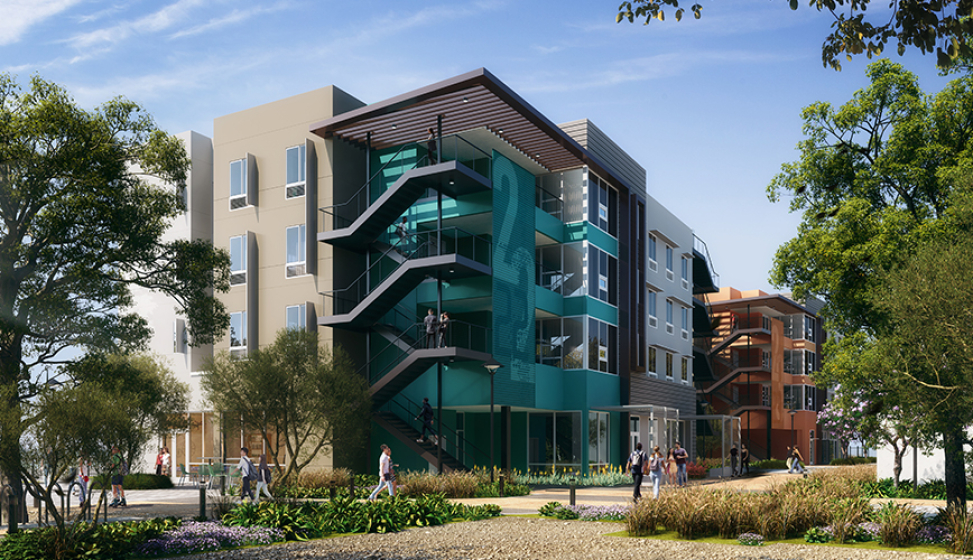
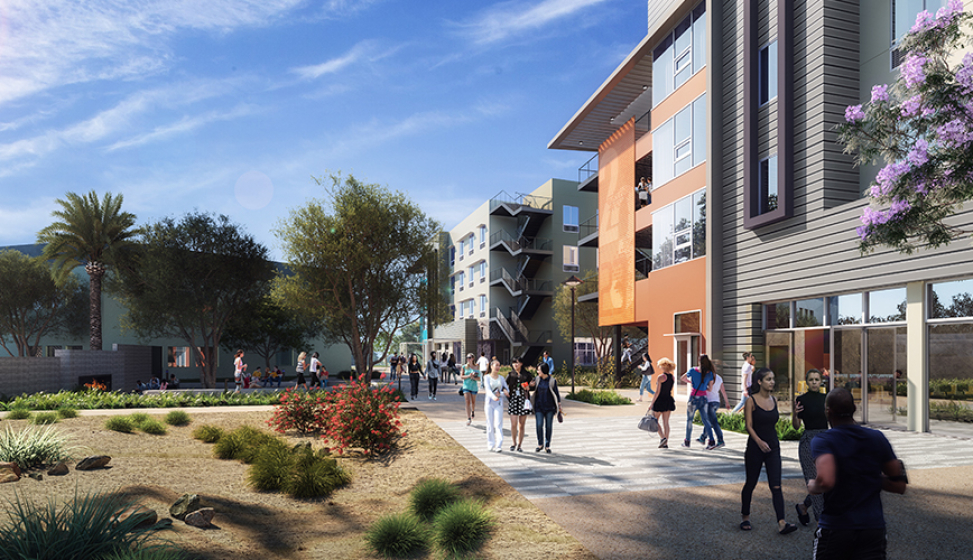
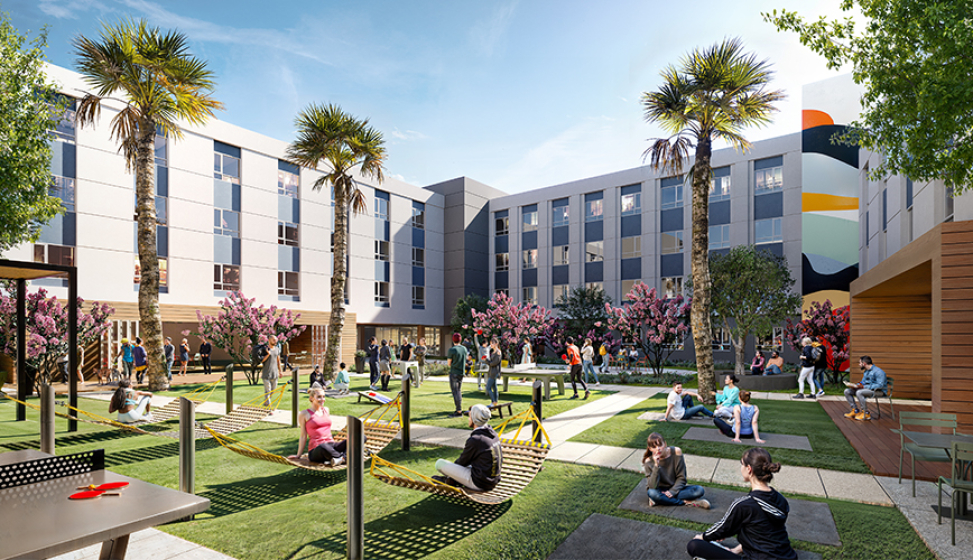
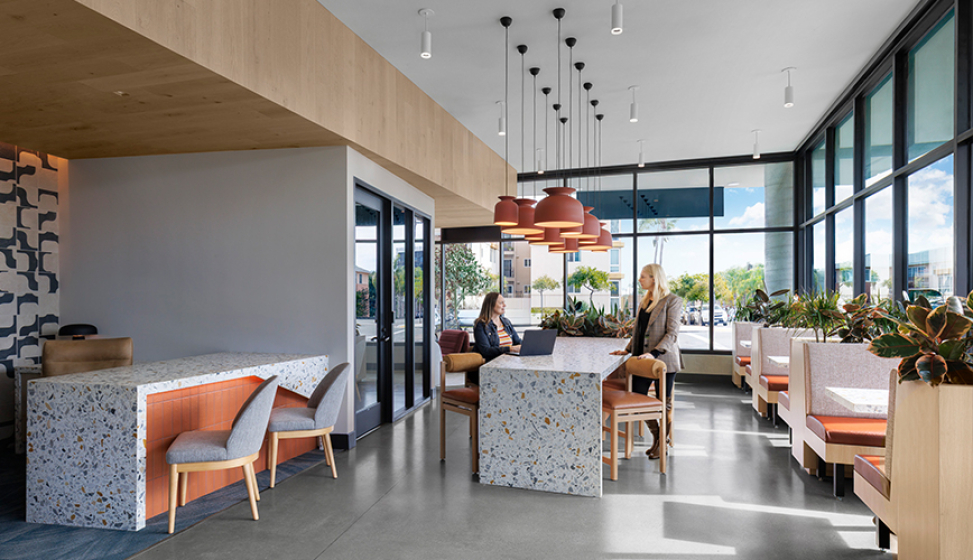
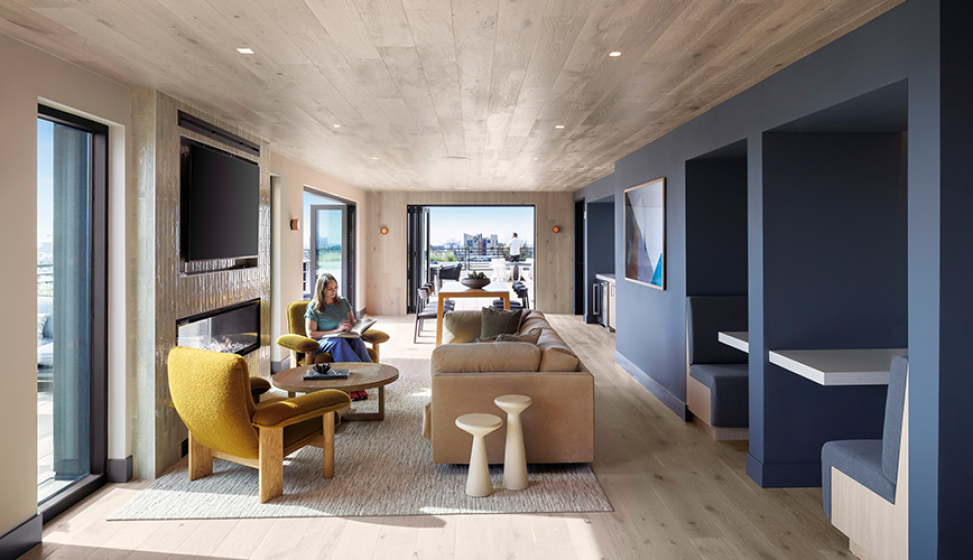
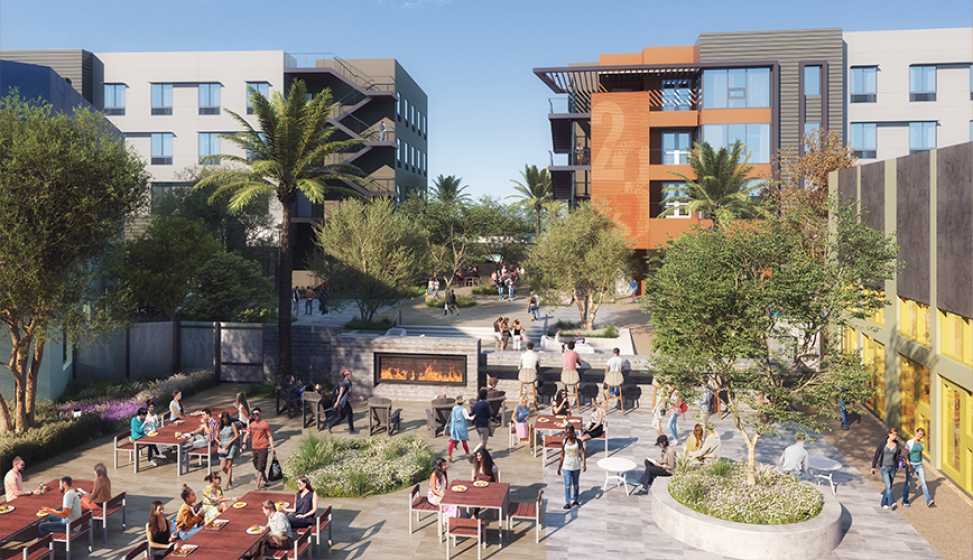
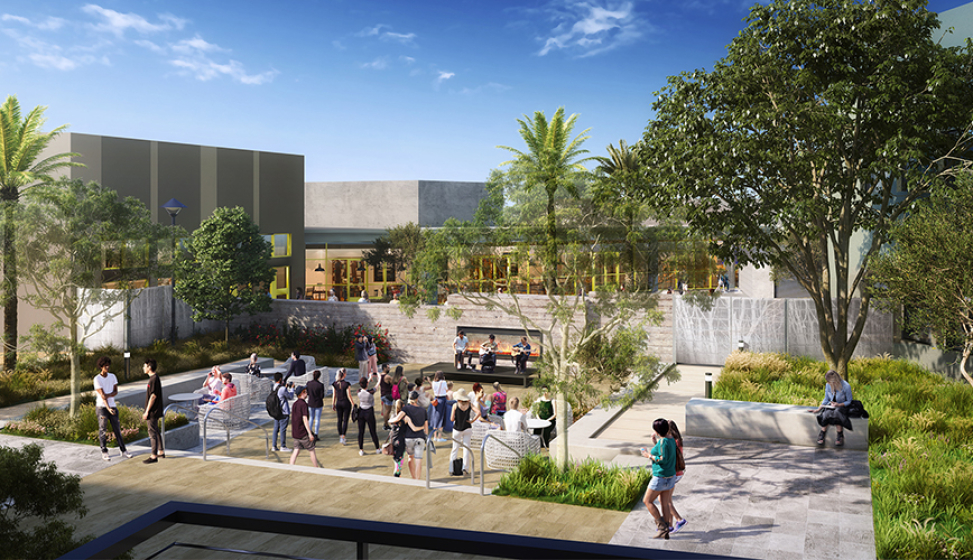
Based on the success of Phase I and II student housing, CSUN hired AC Martin for Phase III, including 200 beds and a major renovation of the main outdoor dining courtyard for campus housing residents. The project also includes a large study lounge, classroom, two multi-purpose rooms for programmed events, a large eat-in communal kitchen, a mail/package room for all on-campus students, and the Housing Facilities offices. Phases I and II are a 4-minute walk from Phase III. Phase III is directly adjacent to CSUN’s 1990’s dining hall. Our project upgraded and renovated the dining courtyard and connects it to the Phase III student housing courtyard. This area will be the new social HUB for freshmen with a large, shaded trellis enclosing the two courtyards and creating student life event spaces. The communal kitchen was doubled in size allowing for larger student groups to cook together. Phase III also has the package/mail room for all on-campus housing to draw students to this new social HUB. Phase III completed construction in August of 2025.

See Phase II Student Housing at CSU Northridge

See Phase I Student Housing at CSU Northridge


Long Beach City College Student Housing

Long Beach City College Liberal Arts Campus Student Housing

Long Beach, CA

Awards

Close
GALLERY

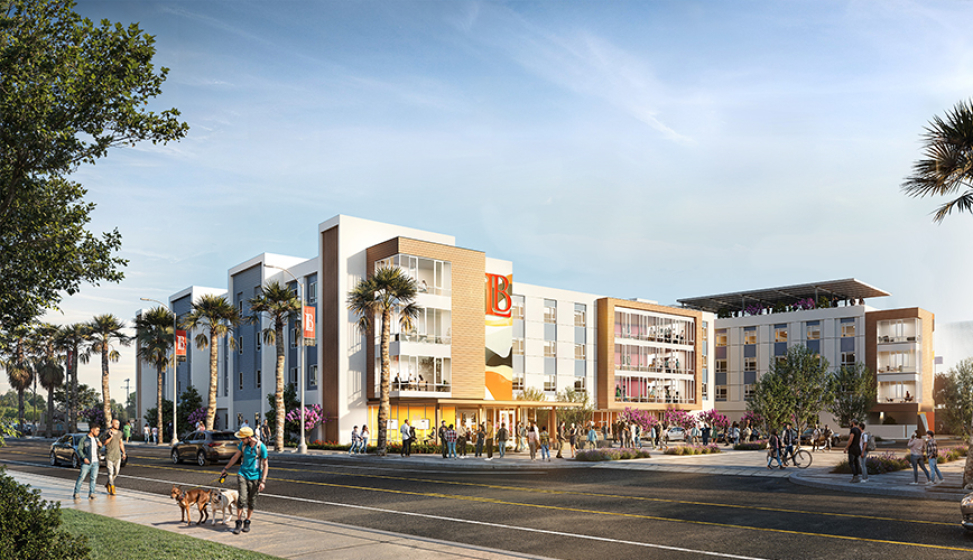
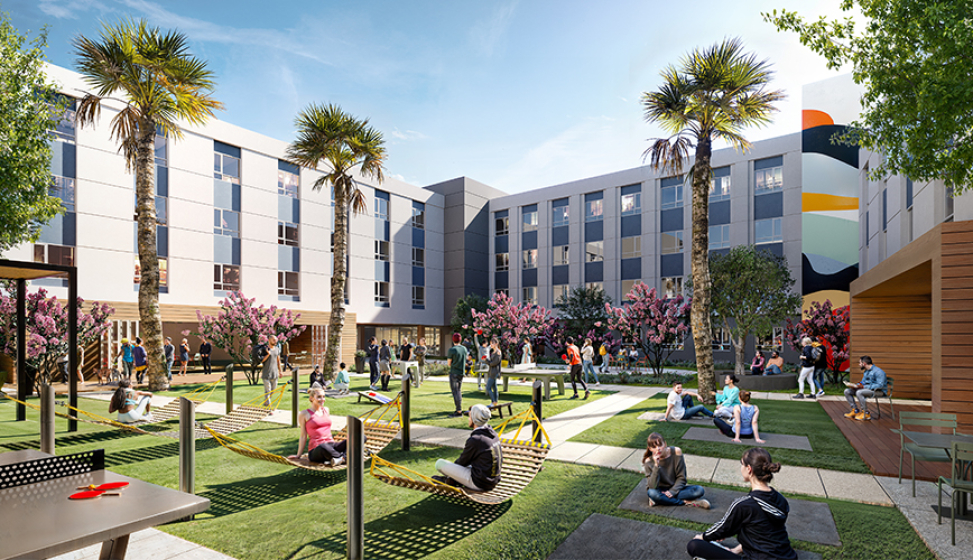
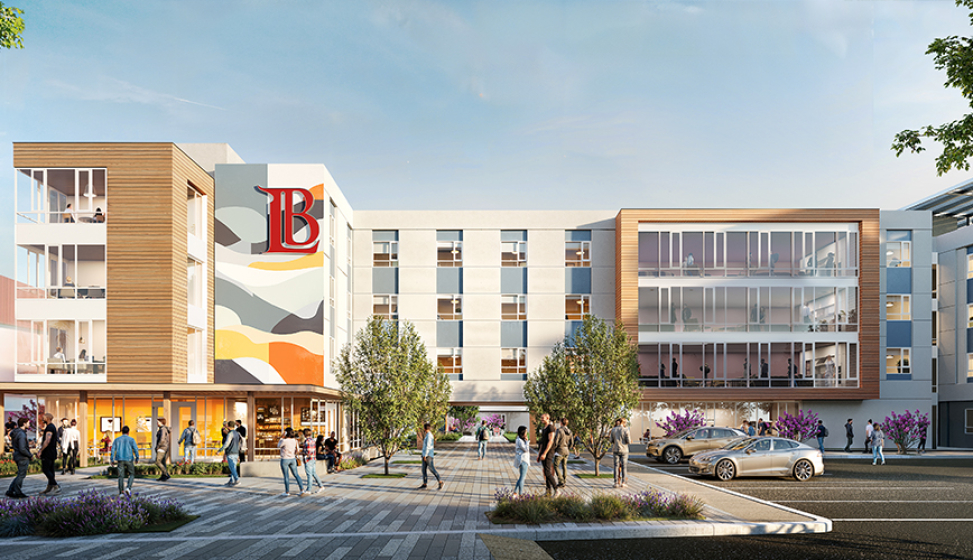
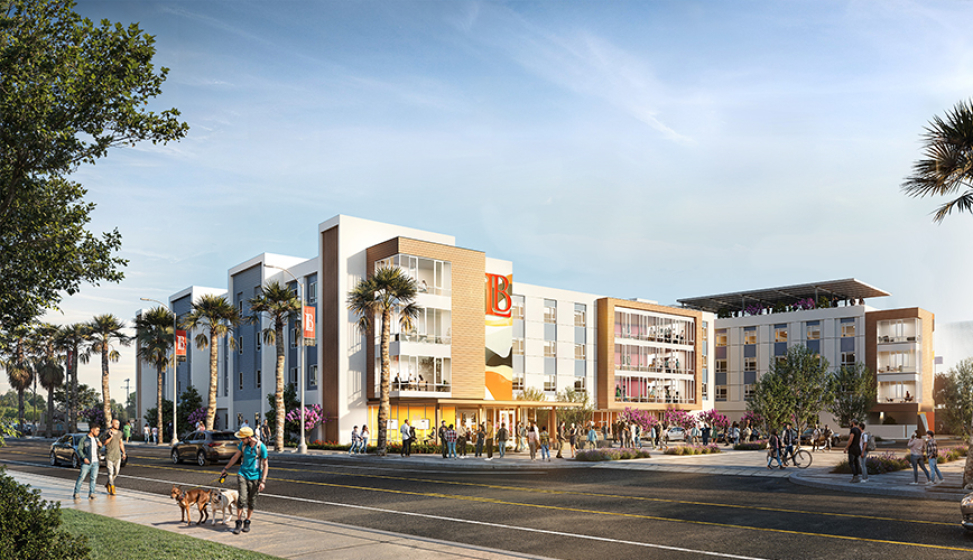
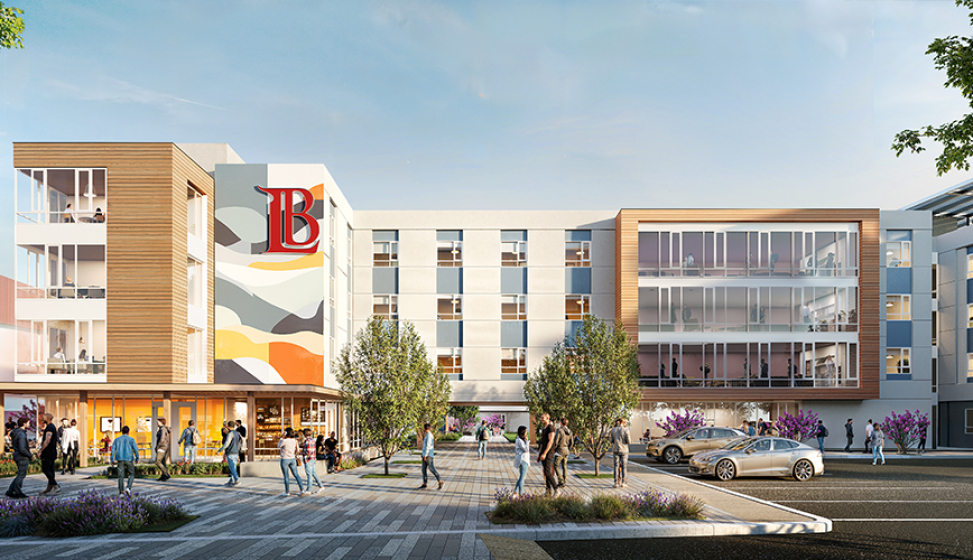
Designed in partnership with an integrated Design-Build team, the 440-bed student housing community elevates baseline criteria through a flexible framework of performance-driven enhancements. Highlights include a welcoming campus arrival sequence, an expanded 12,000 SF courtyard, and vibrant ground-floor amenities, such as a grab-and-go market, tech commons, and multipurpose spaces, crafted to foster connection and enrich student life.

The residential program is organized into 34-person pods, each featuring a shared kitchen, lounge, and gender-inclusive restrooms to promote community, safety, and belonging. A mass timber structural system advances sustainability goals while creating warm, biophilic interiors that reduce stress and enhance well-being. Further improvements, including a pet-friendly amenity suite, re-imagined social spaces, and infrastructure optimizations, increase bed count and efficiency without expanding the building footprint. The outcome is a scalable, future-ready housing environment that reflects a deep understanding of how students live, learn, and thrive.

Modera Argyle

Modera Argyle

Hollywood, California

Awards

Close
GALLERY

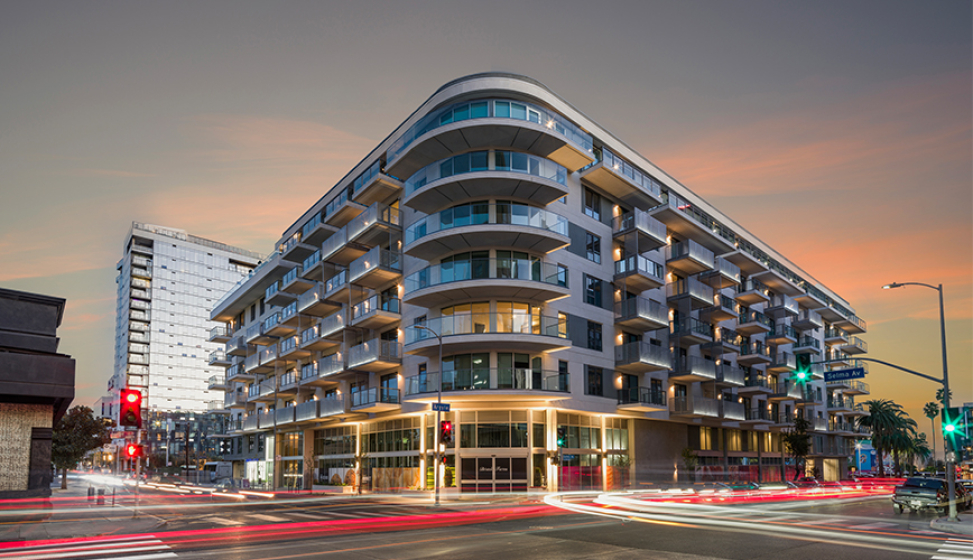
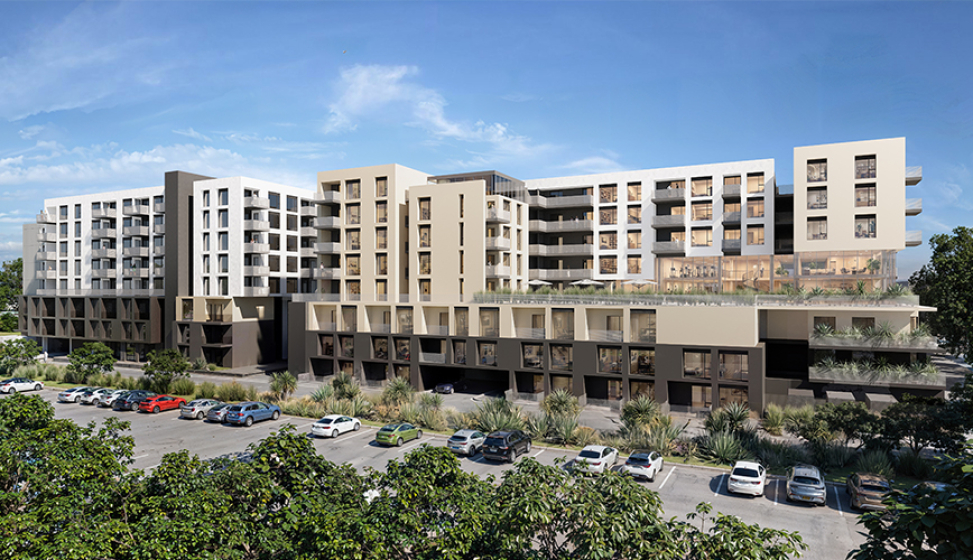
Located within the Hollywood community of the Los Angeles area, this new mixed-use development is a seven-story building with 276 residential units - 13 of which are affordable housing for ‘very low income’ households. The project includes an approximately 27,000 SF Bristol Farms grocer and 318 parking spaces.

Sciences and Engineering Laboratories at SDSU Imperial Valley, Brawley
Sciences and Engineering Laboratories at SDSU Imperial Valley, Brawley
Brawley, CA

Awards

Close
DBIA Western Pacific Region Award, 2026
Awards
GALLERY

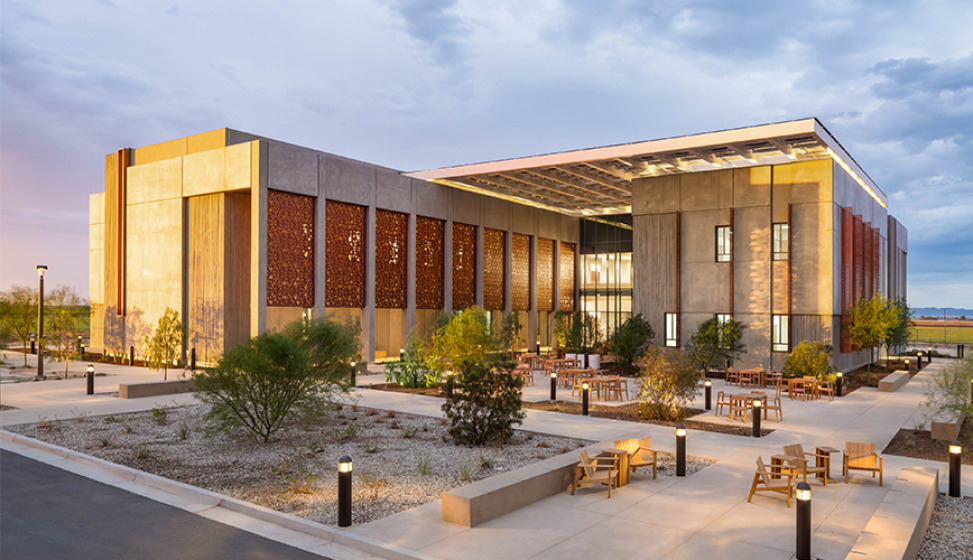
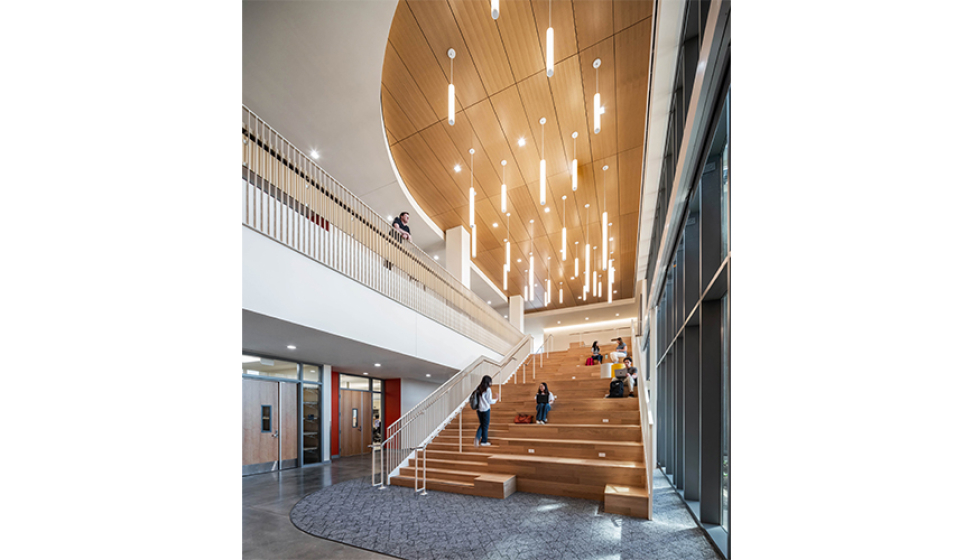
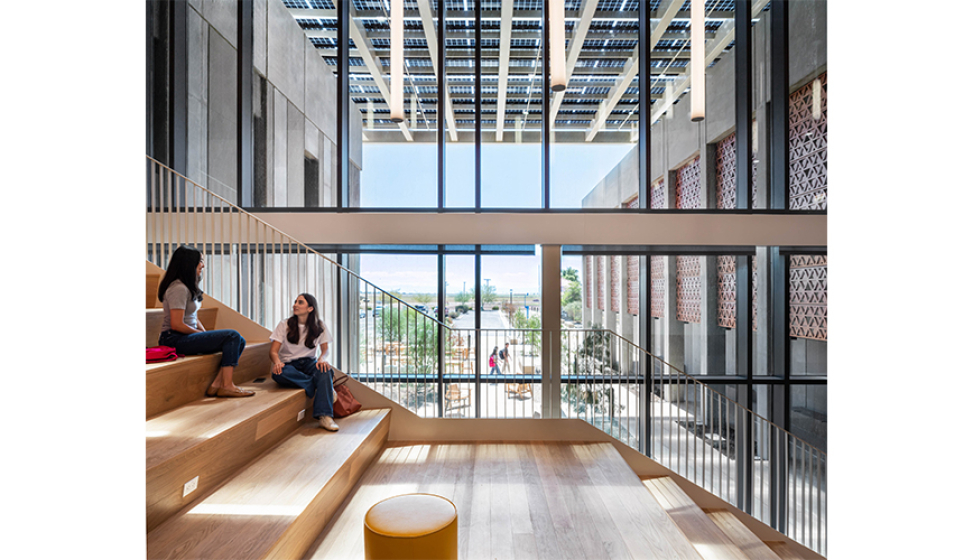
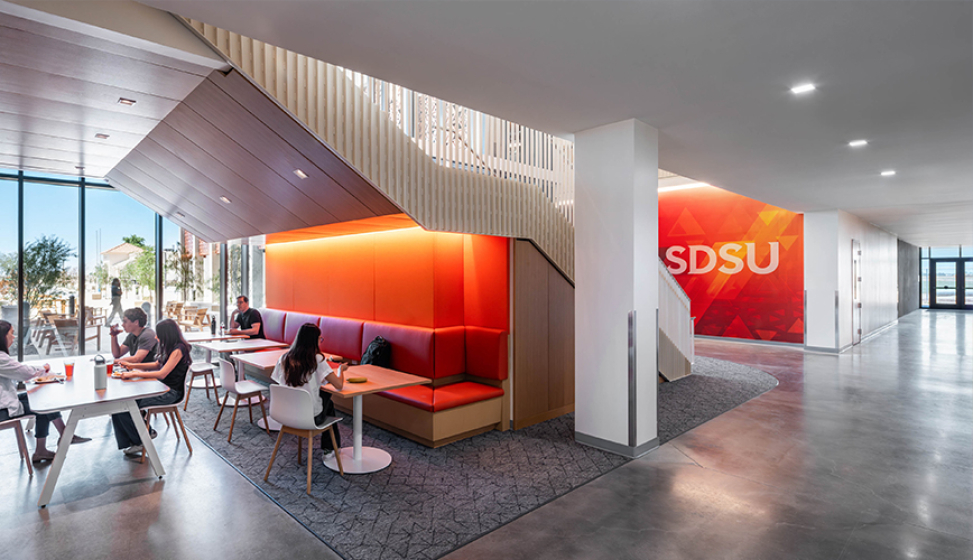
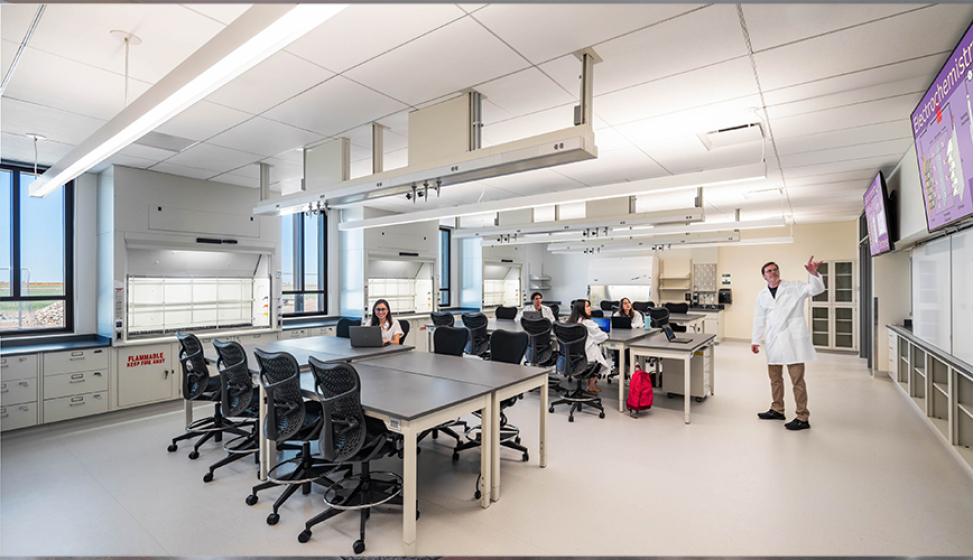
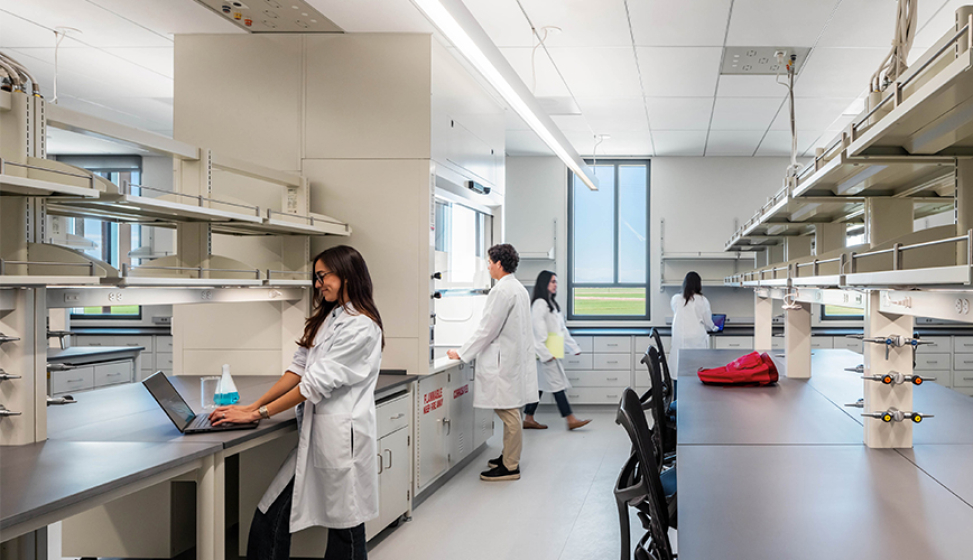
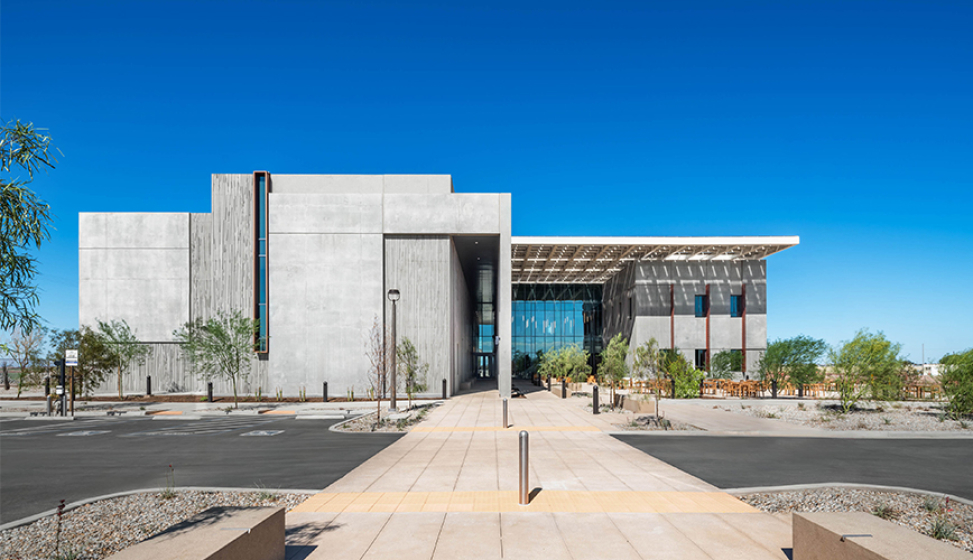
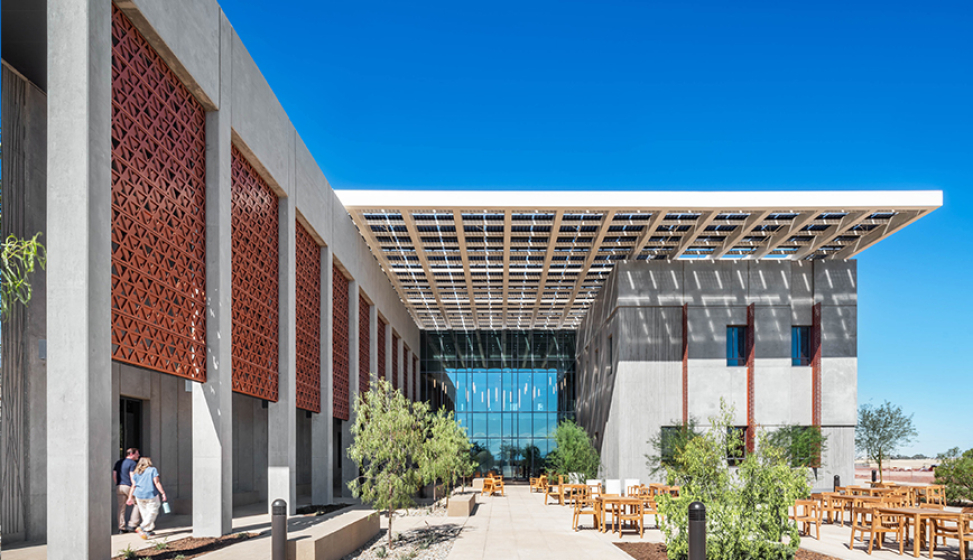
The Sciences and Engineering Laboratories at SDSU Imperial Valley, Brawley supports the burgeoning Lithium Valley and the university’s commitment to workforce development in both current and future geothermal energy sector demands through new four-year degree programs. The 36,000 square foot lab facility houses a STEM Innovation Hub, undergraduate science labs, core facilities, and collaborative spaces for public and private partners to work side by side with faculty and students in lithium research. The new building creates a sense of place and identity for the campus in Brawley, California.
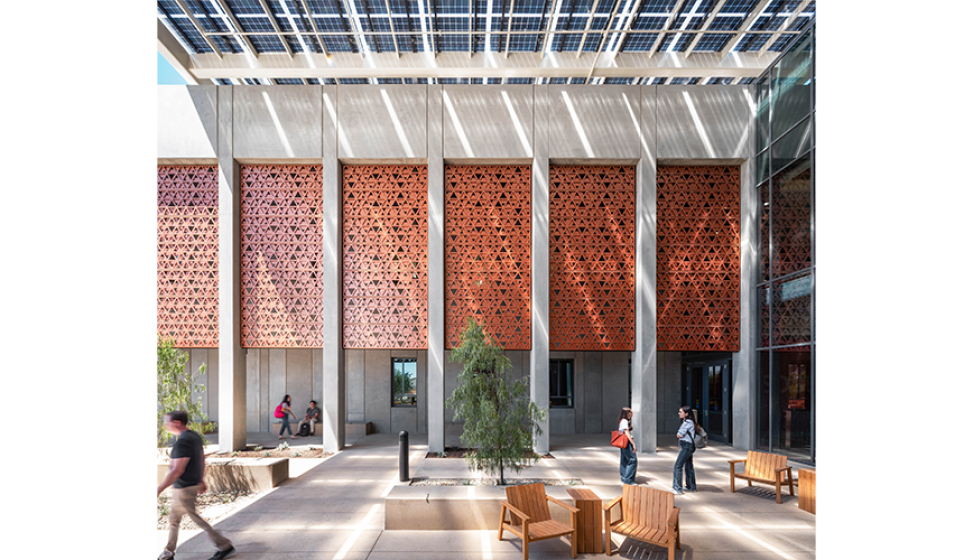
The architectural vernacular embraces sustainability and resilient strategies derived from site specific climate and regional heritage. The design includes open collaboration spaces inside and sheltered outdoor spaces with a solar photovoltaic canopy to provide comfortable areas for students to hang out before, between and after classes. As one the most lab intensive SDSU facilities, incorporating flexibility and adaptability for future changes in STEM research is paramount in the design. By addressing the demands of intense science research and incorporating architectural sensibility that acknowledges the low-desert climatic environs and cultural heritage of the area, this project is a beacon of STEM learning in Brawley.
The project aims to double the enrollment of the SDSU Imperial Valley campus, delivering the future leaders of economic and employment opportunity brought by the development of the State’s Lithium Valley initiative. The project is a result of $80 million in state funding from Governor Gavin Newsom and university investments to expand STEM opportunities. 

Long Beach City College Liberal Arts Campus Student housing

Long Beach City College Liberal Arts Campus Student housing

Long Beach, CA

Awards

Close
GALLERY

AC Martin’s student housing proposal for Long Beach City College reimagines the residential experience with a strategic, student-centered approach focused on wellness, equity, and long-term value. In partnership with an integrated Design-Build team, the project elevates baseline criteria through a flexible framework of performance-driven enhancements. Highlights include a welcoming campus arrival sequence, an expanded 12,000 SF courtyard, and vibrant ground-floor amenities—such as a grab-and-go market, tech commons, and multipurpose spaces—crafted to foster connection and enrich student life.

The residential program organizes students into 34-person pods, each featuring a shared kitchen, lounge, and gender-inclusive restrooms to promote community, safety, and belonging. A mass timber structural system advances sustainability goals while creating warm, biophilic interiors that reduce stress and enhance well-being. Further improvements include a pet-friendly amenity suite, reimagined social spaces, and infrastructure optimizations that increase bed count and efficiency—all without expanding the building footprint. The outcome is a scalable, future-ready housing environment that reflects a deep understanding of how students live, learn, and thrive.

Heldman Center, West Los Angeles College

Dr. Morris J. Heldman Center, West Los Angeles College

Culver City, CA

Awards

Close
GALLERY

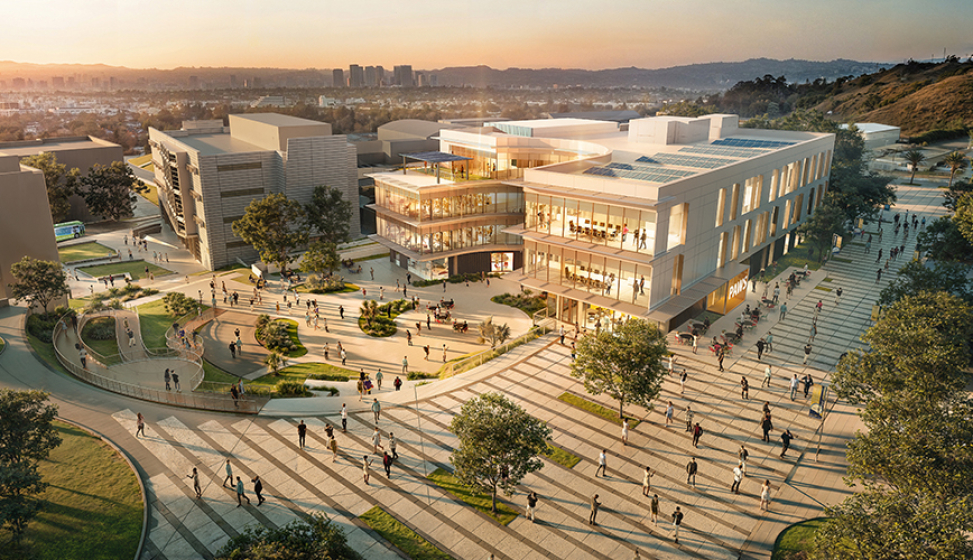
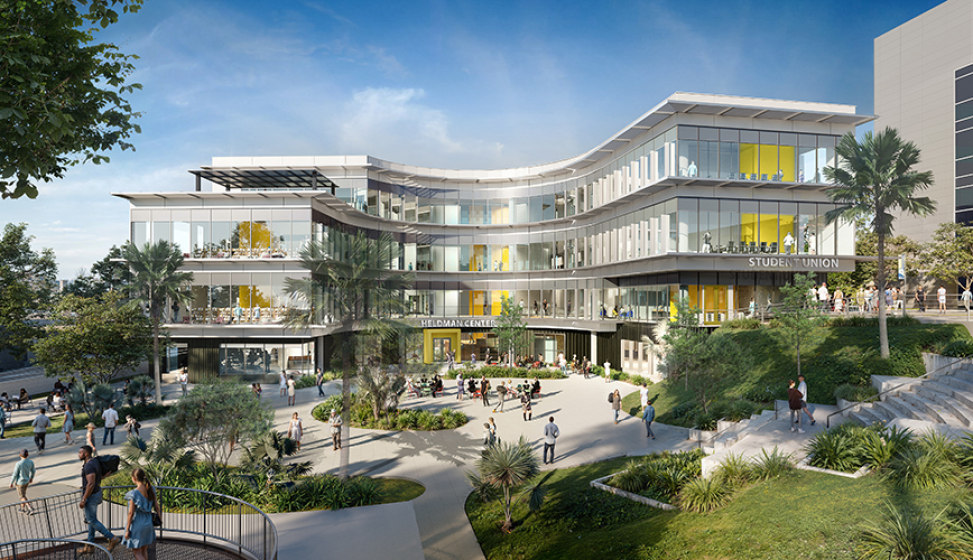
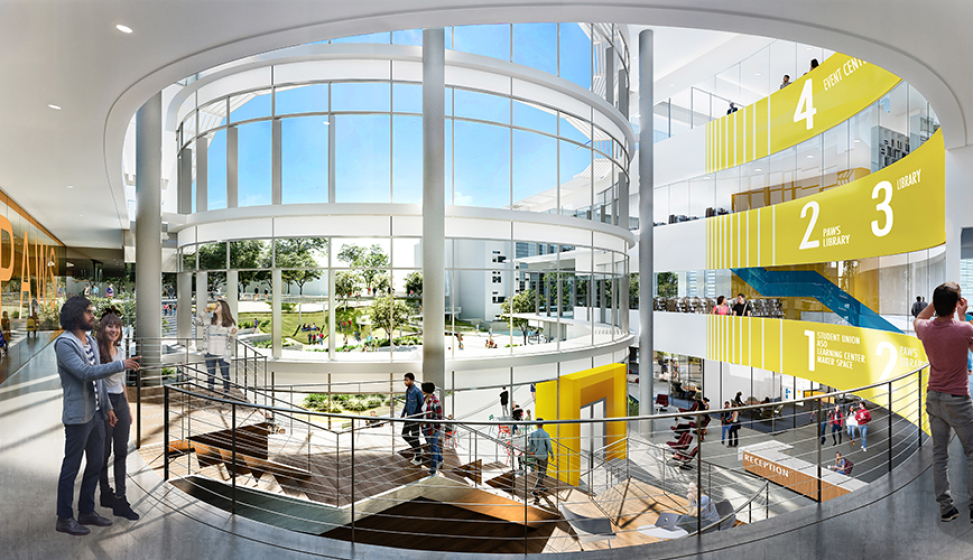
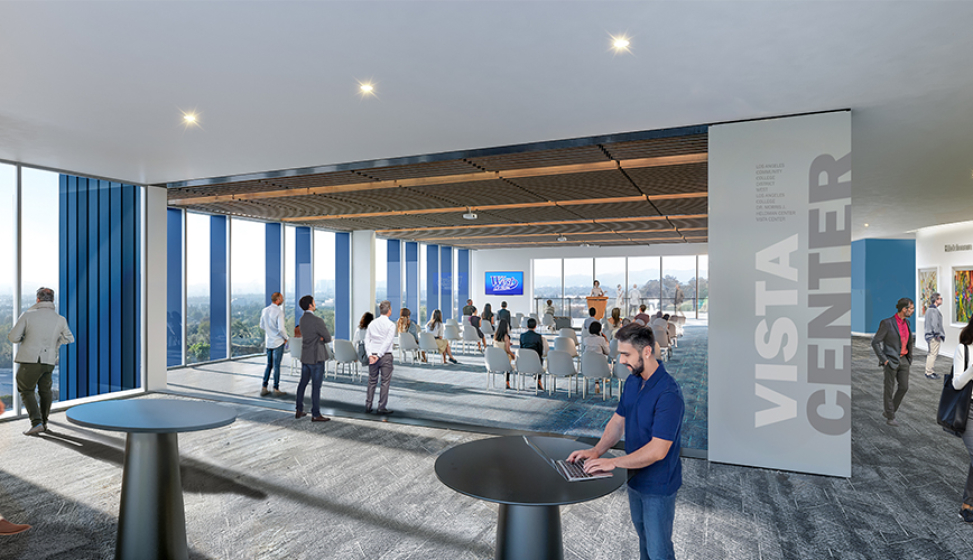
The Heldman Center is envisioned as a space that fosters social interaction and intellectual engagement, offering students a range of environments where they can build community, collaborate on projects, and participate in cultural events. The new 72,867 SF, four-level Heldman Center at West Los Angeles College (WLAC) is designed to integrate with the existing Student Services Center, forming a cohesive pair focused on advancing student success. Serving as an inclusive campus hub, the Heldman Center will centralize essential student services and academic resources, address universal accessibility, and provide spaces for social interaction and academic engagement. The facility will house the campus library, student union, student learning center, administrative offices, and an event center, while connecting Wildcat Walk to the Student Services Center.

The Heldman Center is conceived as an engaging facility that reflects the vibrancy of WLAC’s campus community. Its design supports education, inspiration, and meaningful connections among students, faculty, and visitors. By integrating a universally accessible route, the Center enhances campus circulation and ensures equitable access. This solution is part of the current development phase. The Center’s adaptable layout accommodates evolving student needs and fosters community through flexible study, educational spaces, comprehensive student services, and an event center that highlights the campus landscape.

Ocean Park

2716 Ocean Park Blvd.

Santa Monica, CA

Awards

Close
GALLERY

Site Context
The project is located in Santa Monica’s Sunset Park neighborhood, a walkable residential area characterized by proximity to parks, schools, neighborhood-serving retail, and a range of housing types. The neighborhood balances a calm residential character with convenient access to transit and commercial activity along Ocean Park Boulevard. The City’s planned conversion of the approximately 192-acre Santa Monica Airport site into a future “Great Park” positions the area as an evolving recreational and civic destination. The project site is well situated to support future pedestrian and neighborhood connectivity associated with this transformation. Immediately west of the site, Clover Park provides established recreational amenities and open space. The project acknowledges this adjacency through building orientation, landscape design, and pedestrian connections that reinforce neighborhood access to open space while respecting surrounding residential development.

Design Intent
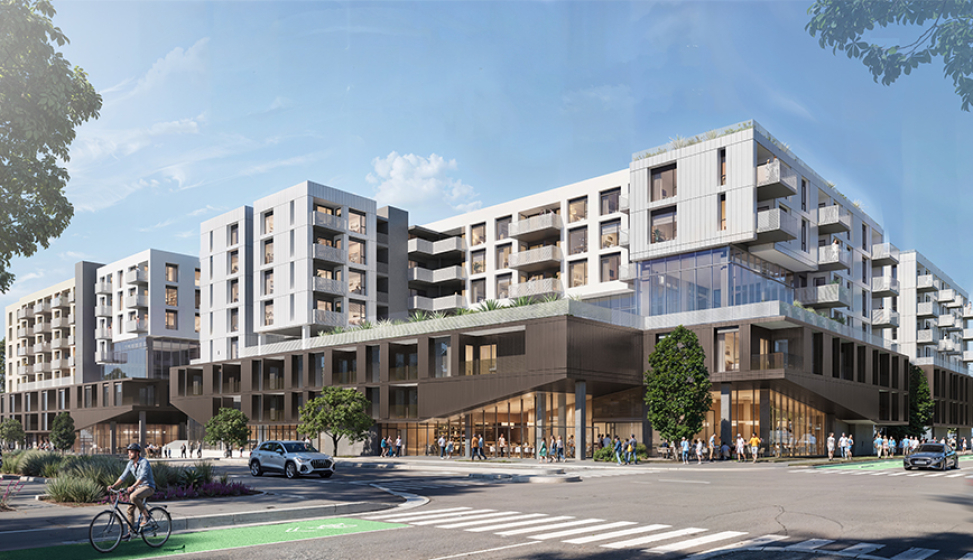
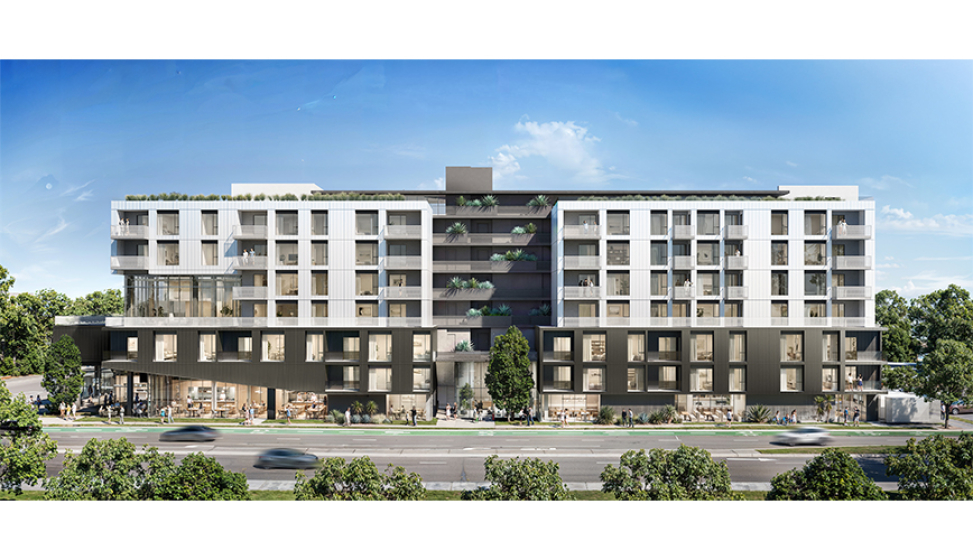
The proposed mixed-use development introduces additional mixed-income housing while maintaining compatibility with neighborhood scale and character. The design responds to two contextual conditions: the more urban frontage along Ocean Park Boulevard and 28th Street, and the park-oriented residential edge adjacent to Clover Park. Active ground-floor uses, transparent storefronts, clearly defined residential entries, and enhanced sidewalks support a pedestrian-oriented public realm. A connection from 28th Street toward Clover Park strengthens walkability and neighborhood connectivity, providing access to ground-level stoop units with additional landscaping to create a residentially scaled park interface.

Massing and Neighborhood Compatibility
Building massing reflects the scale and rhythm of Sunset Park while expressing a contemporary architectural identity. Upper-level setbacks above the third story reduce perceived height along all frontages, with additional step-backs facing Ocean Park Boulevard further softening the building profile and transition to the lower scale adjacent context. Articulated massing, generous landscaped courtyards, and pedestrian pathways introduce light, air, and visual permeability while improving circulation between the street, residences, and adjacent park areas.

Architectural Character and Public Realm
The building is designed as a four-sided composition that reinforces an active streetscape. Parking is screened by residential or commercial uses to maintain pedestrian continuity. Neighborhood-serving retail at the Ocean Park Boulevard and 28th Street corner establishes a gateway presence. Podium and rooftop open spaces provide shared amenities oriented toward sunlight and views, and all residences include private outdoor space and access to natural light and ventilation taking advantage of Santa Monica’s coastal climate.

1 Harbor Drive, Sausalito

1 Harbor Drive, Sausalito

Sausalito, CA

Awards

Close
GALLERY

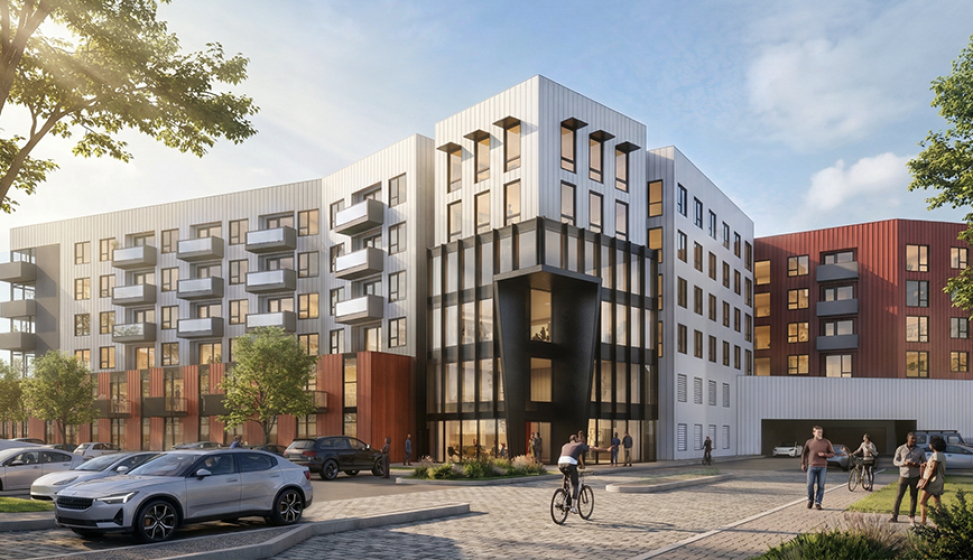
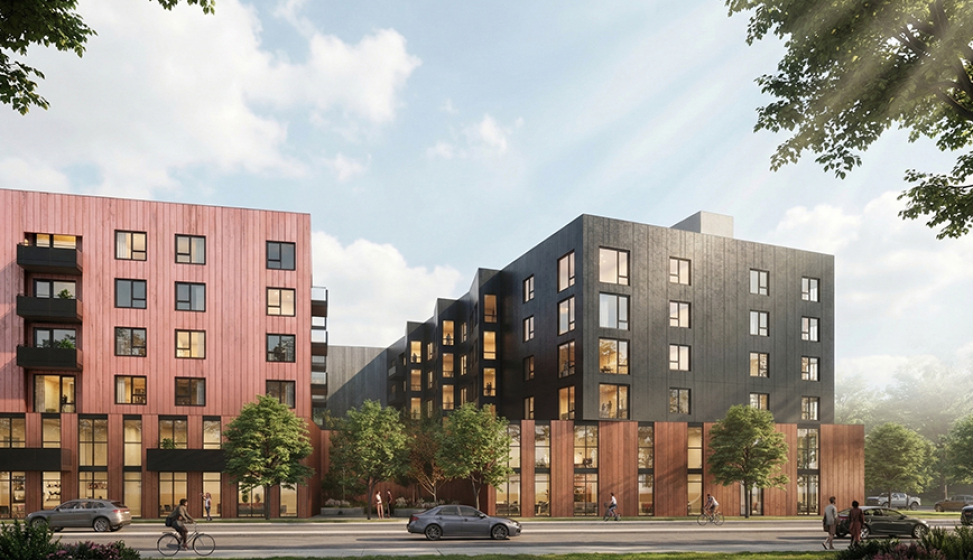
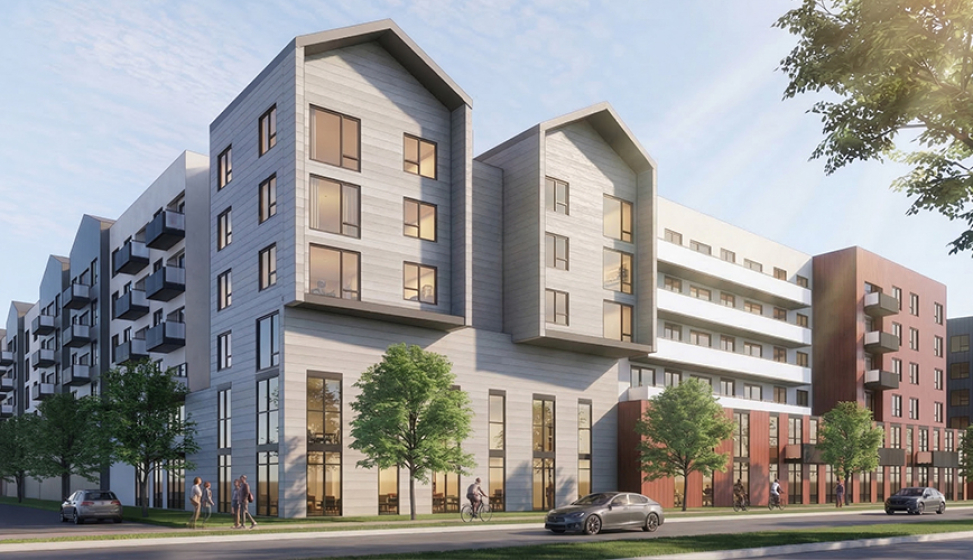
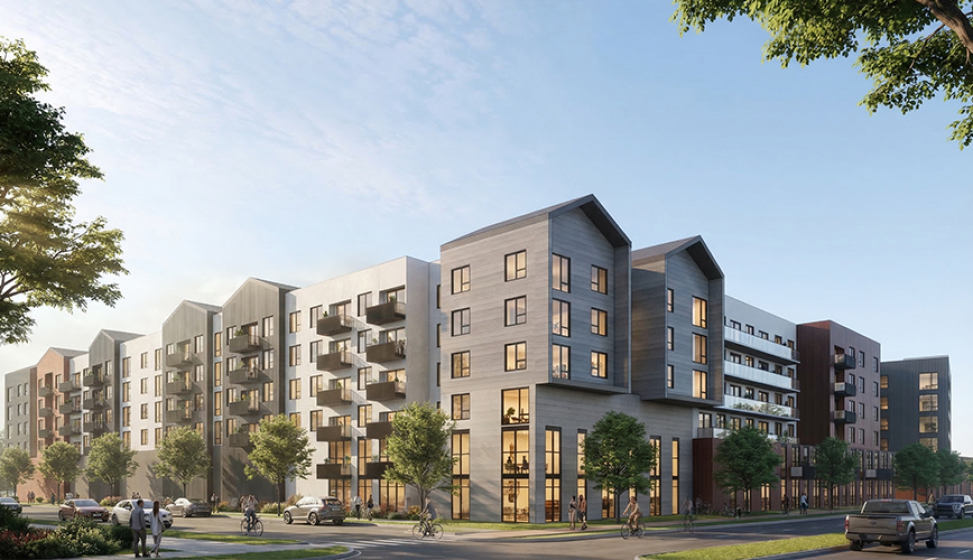
Located within the town of Sausalito, this development’s architecture is informed by the town’s established scale, working waterfront heritage, and utilitarian architectural language. 1 Harbor Drive features 294 units—13 of which are affordable housing for very low-, low-, and moderate-income households. The project features 25,000 SF of open space, reflecting Sausalito’s organic connection to the outdoors, and bicycle racks to accomodate 80 bicycles.

The connection to the bay and its small scale floating houses along the water provided a unique opportunity to create architectural typologies that resonate with material use, color, and scale. The massing is broken down into a series of smaller volumes, each referencing the defining qualities of the neighborhood’s prevalent building typologies, resulting in a composition that is both cohesive and contextually responsive.

This project is one of Sausalito’s biggest residential complexes, aimed at satisfying the town’s state-mandated housing requirements for the planning of 724 units by 2031. It is a direct implementation of Measure J, where Sausalito voters allowed taller and denser buildings within the downtown area. 1 Harbor Drive ultimately will deliver meaningful new housing to the area, without displacing industrial or maritime uses in the Marinship.


The Monroe

The Monroe

San Diego, CA

Awards

Close
GALLERY

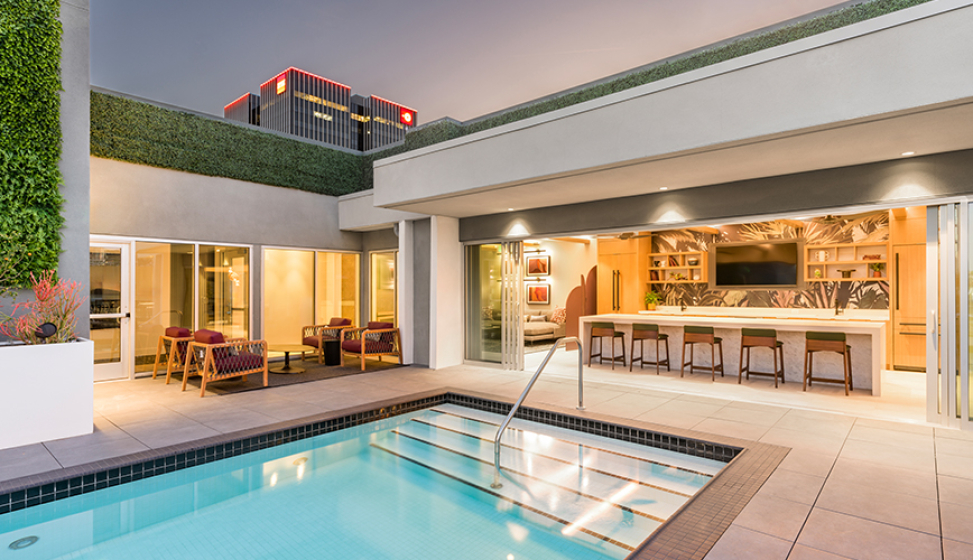
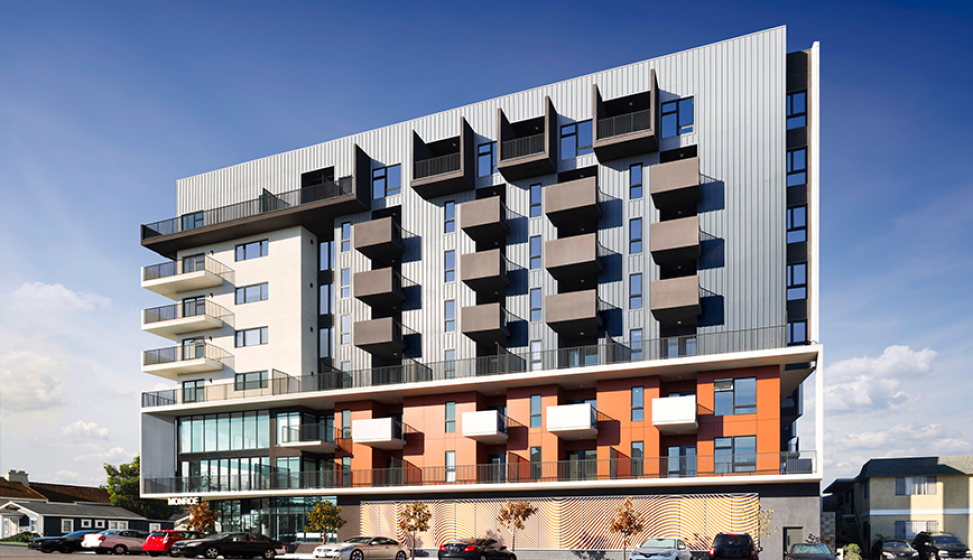
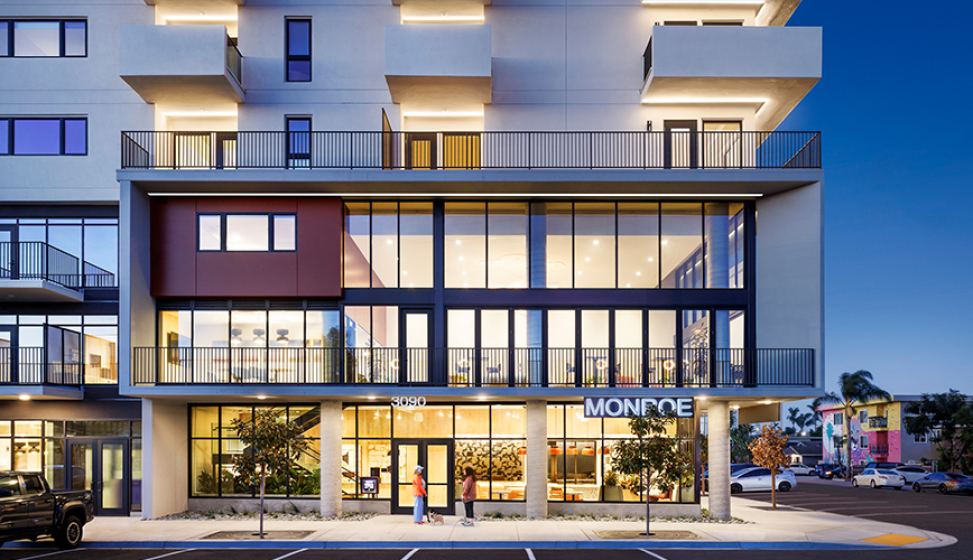
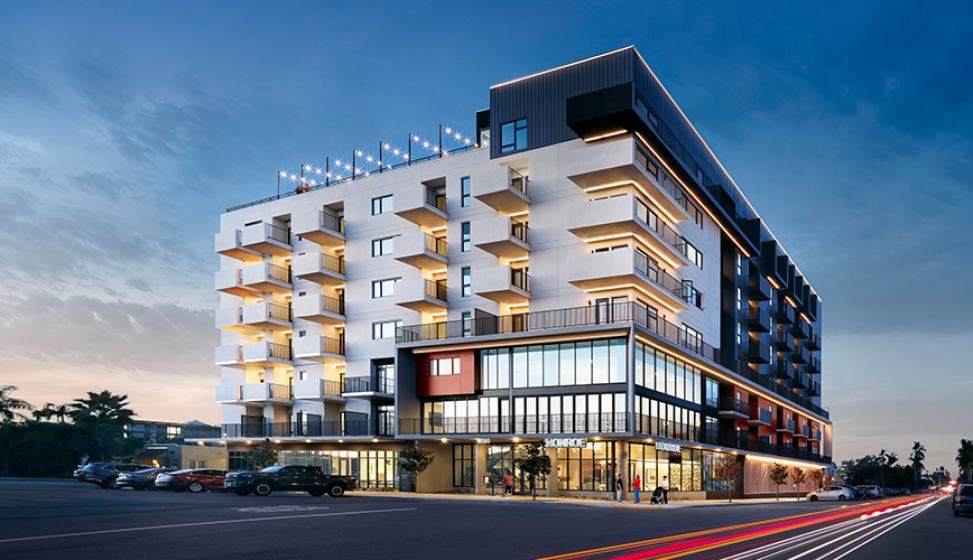
The Monroe is a LEED Platinum, eight-story multifamily community located at the corner of Polk Avenue and Illinois Street in San Diego’s North Park neighborhood. Completed in 2025, the 135,477-square-foot project includes 137 apartments—11 of which are affordable—and 107 covered, automated parking spaces provided through a mechanized stacked parking system that maximizes efficiency on a tight urban site.

The building is designed as a 5-over-3 podium structure that fits comfortably within a neighborhood of primarily lower-scale buildings while introducing a contemporary residential presence. Two simple but connected design elements meet at the corner, where a fully glazed amenity space is framed by projecting concrete that forms a continuous balcony and creates an active street edge. Material contrasts help define the building’s character. The south façade features smooth white plaster that reflects daylight and keeps the massing light, while the east façade uses textured fiber-cement panels and a regular pattern of openings and balconies to add depth and rhythm. Together, these elements create a clear, cohesive identity that complements the surrounding context.

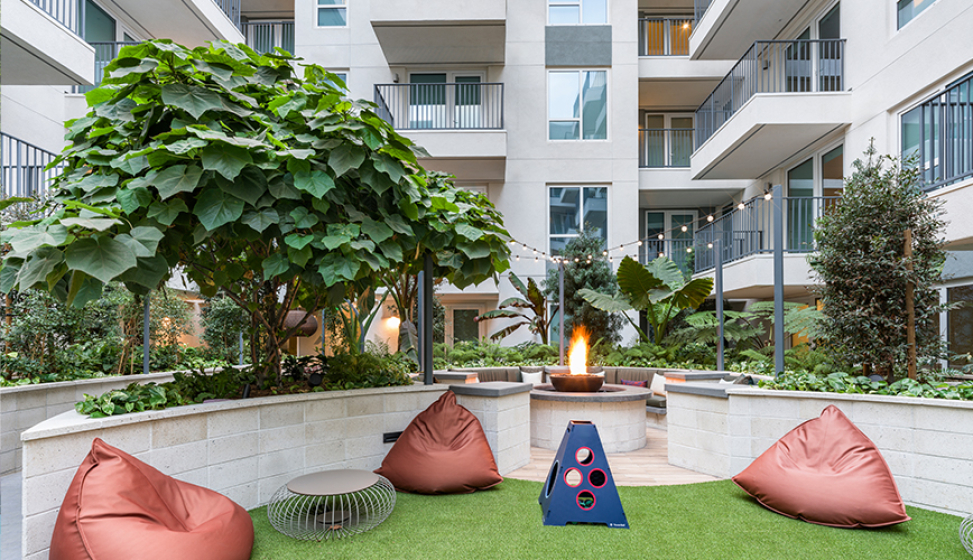
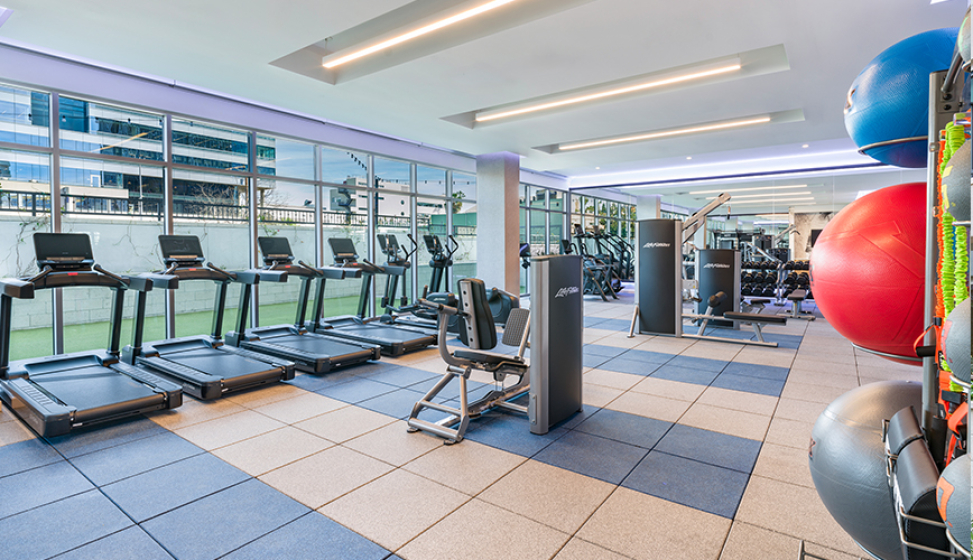
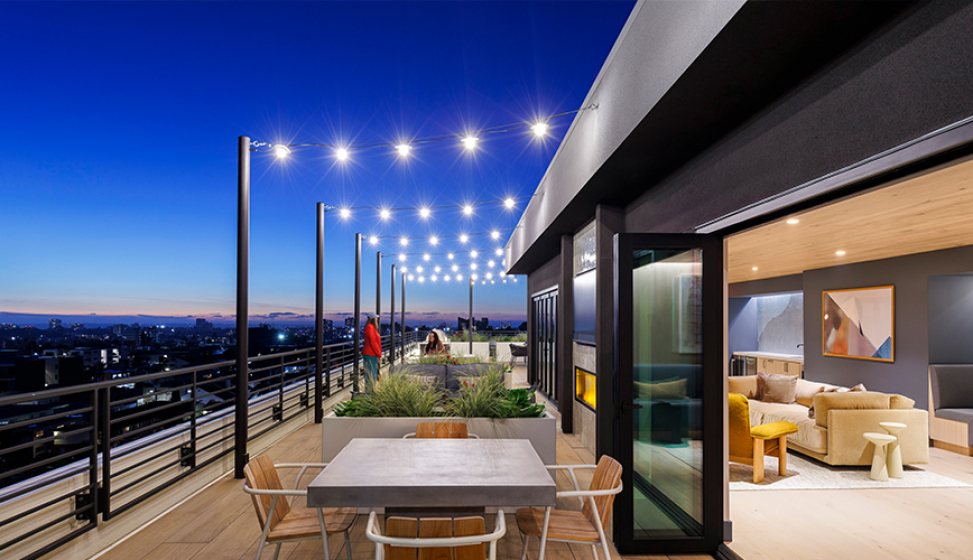
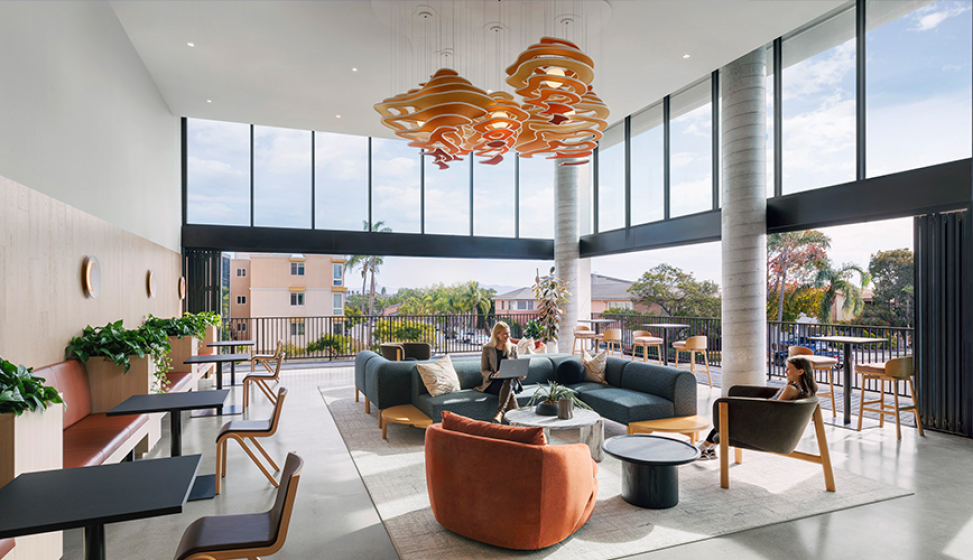
Amenities are organized across three levels to support daily living and resident interaction. The ground-floor leasing area includes an interior stair that leads directly to the second-floor amenity level, which opens to a central courtyard and includes a two-story fitness center. Additional shared spaces are located on the eighth floor, including an amenity lounge and rooftop terrace with landscaped areas, lounge seating, fire pits, barbecues, co-working space, and views of downtown San Diego and the bay. By combining high-performance sustainability, efficient parking solutions, and well-planned amenities, The Monroe delivers practical, comfortable urban housing that supports both residents and the surrounding neighborhood.

Pages

Subscribe to RSS - Higher Education