



County of Los Angeles MLK Youth Center

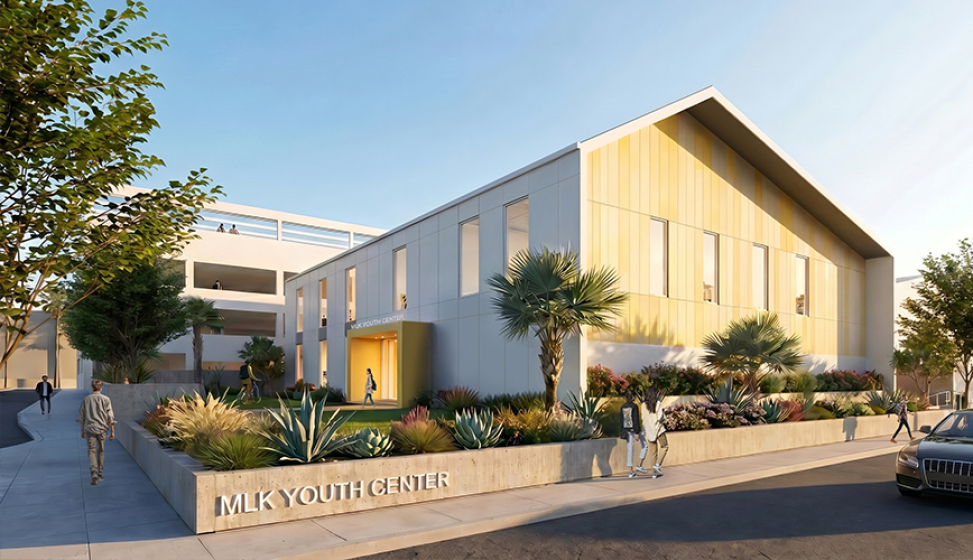
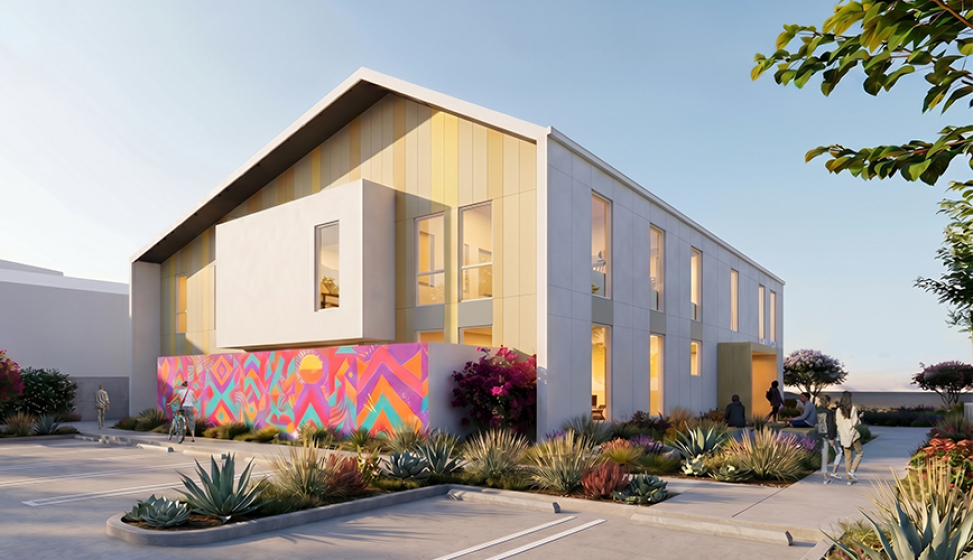

AC Martin designed the 9,000 SF MLK Youth Center as a place of refuge, dignity, and connection for the youth it serves. The Center is a supportive facility intended to provide youth transitioning out of the foster care system with healthcare, counseling, and daily living services in a safe, inclusive environment. Natural light, mass timber, soft materials, and open visibility foster an atmosphere that is not only warm and deeply human, but intentionally non-institutional. The design encourages comfort, trust, and allows a sense of belonging to take shape, whether someone is visiting for the first time or tenth. The architecture of the Center balances openness with protection, creating spaces that feel secure without feeling restrictive.
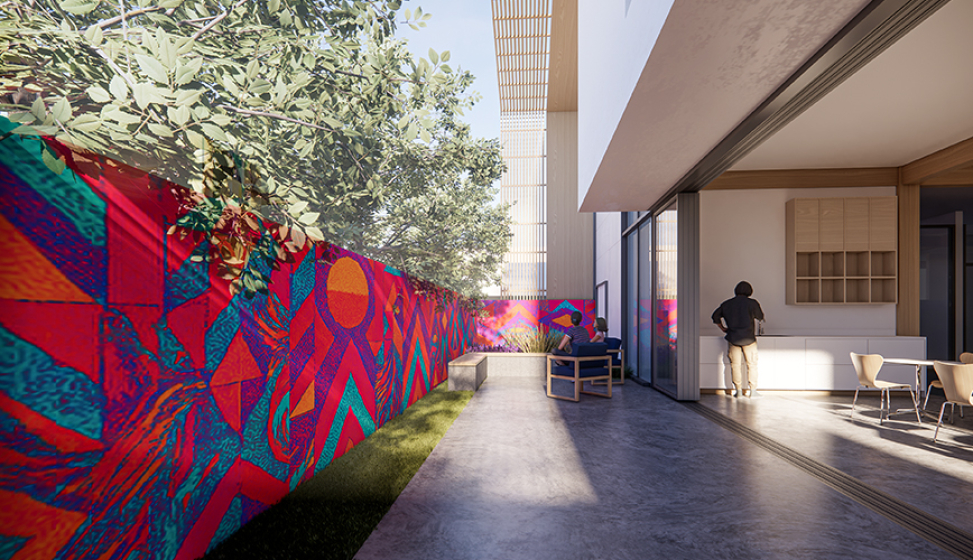
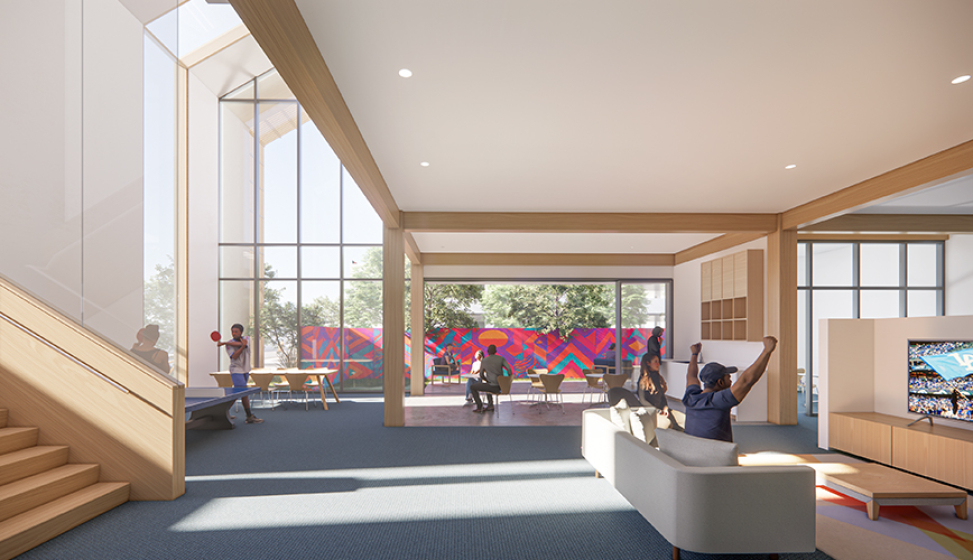
Designed through a trauma-informed lens, the building houses a double-height flex space living room that acts as the building’s heart and features maximal daylighting and a social stair that invites the youth to explore the services provided on the upper floor. The youth have access to lounge areas, a kitchen, a clothing storage area, TV room, laundry area, lockers, and a variety of chat rooms, group rooms, and exam rooms. Staff and visitors have their own zones connected by unobtrusive sightlines through gathering spaces, providing another element of discreet safety. A variety of seating configurations and quiet zones are incorporated to respect differing social and emotional needs. Youth are offered choices: socializing in open communal areas, finding solace in semi-private nooks, or engaging with staff. Every spatial decision reinforces the values of respect, dignity, and healing. A sheltered courtyard and light-filled interiors provide moments of calm, restoration, and connection to the outdoors.
This project serves as a civic space rooted in care and resilience. Its form and materiality establish a strong yet welcoming presence within the neighborhood, reflecting the importance of creating an environment where young people feel seen, respected, and supported. Every aspect of the design—from the form and organization of communal spaces to the integration of daylight and landscape—works to foster a sense of home, autonomy, and healing. The result is a building that not only supports essential services but also offers a lasting sense of stability, hope, and community for the youth it supports.